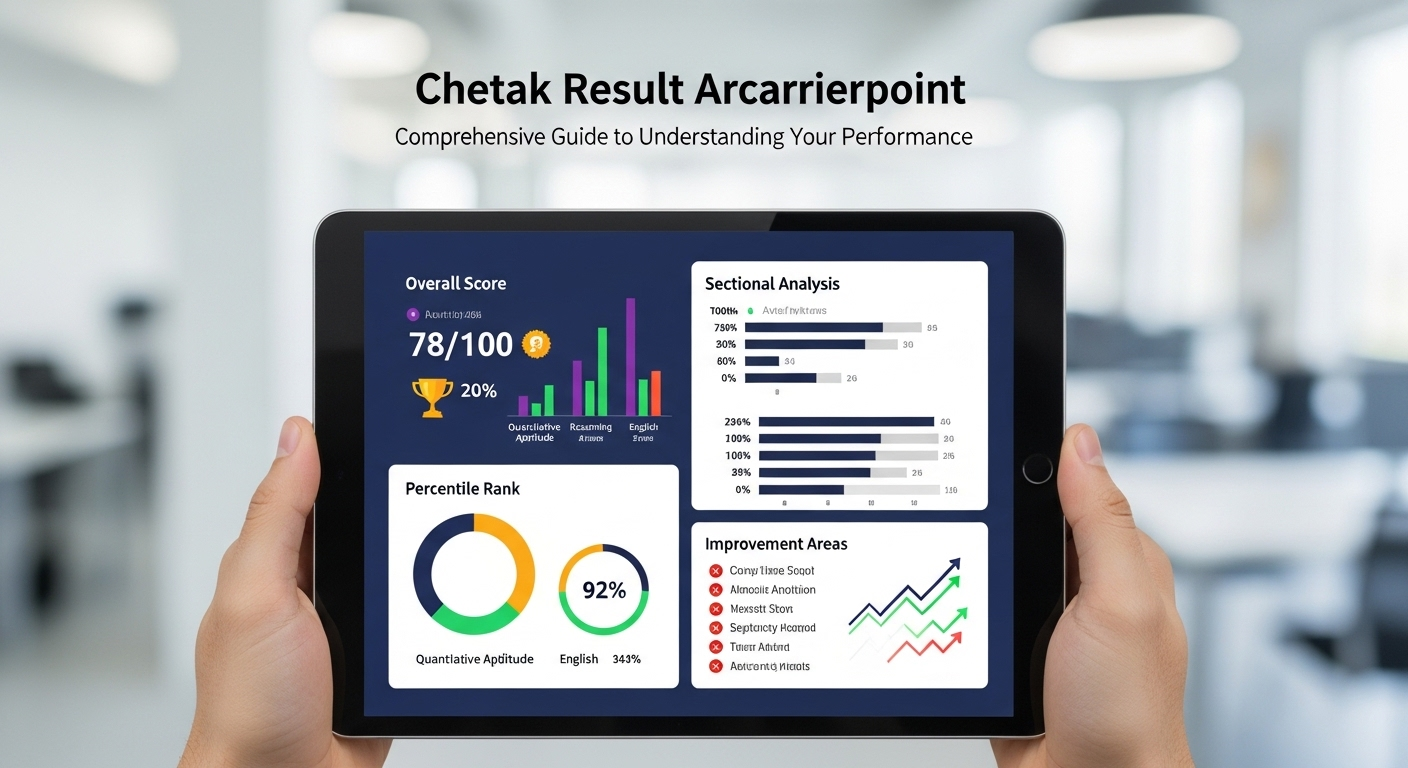
The chetak result arcarrierpoint has become a critical reference for students and professionals seeking accurate insights into their progress and performance. Whether you are evaluating academic achievements or professional assessments, this result offers a streamlined way to track outcomes and identify areas of improvement. In this article, we will explore the importance, interpretation, and practical implications of the chetak result arcarrierpoint, providing readers with a thorough understanding of its relevance.
What is Chetak Result Arcarrierpoint?
At its core, the chetak result arcarrierpoint is a consolidated metric designed to present performance data in an easily interpretable format. Unlike traditional grading systems, which may only provide pass or fail information, this result emphasizes detailed insights. Users can assess their strengths and weaknesses across multiple parameters, ensuring a well-rounded evaluation. This system is particularly valued for its clarity and precision, making it a preferred choice among students, professionals, and organizations alike.
Key Features of Chetak Result Arcarrierpoint
The chetak result arcarrierpoint offers several notable features that set it apart from conventional evaluation methods:
- Detailed Scoring: It breaks down performance into specific categories, allowing for a nuanced understanding of results.
- User-Friendly Interface: Results are presented in an intuitive format, simplifying the interpretation process.
- Consistency Across Assessments: Whether applied to educational exams or professional skill evaluations, the chetak result arcarrierpoint maintains consistent standards.
- Real-Time Access: Users can access their results promptly, facilitating timely decision-making.
These features ensure that individuals can rely on this system to monitor progress effectively and plan their next steps strategically.
How to Access and Interpret Chetak Result Arcarrierpoint
Accessing the chetak result arcarrierpoint is straightforward. Typically, results are available through official portals or authorized platforms. Once logged in, users can view their detailed scores, including subject-wise performance and overall ranking.
Interpreting the results requires attention to several key components:
- Score Segmentation: Each segment represents a different skill or subject area, helping to pinpoint strengths and weaknesses.
- Performance Trends: The system highlights trends over time, which can guide personal or professional development.
- Benchmark Comparison: Comparing results with peer groups or established benchmarks provides a clearer perspective on performance.
By understanding these elements, users can leverage their chetak result arcarrierpoint to make informed decisions and set realistic goals.
About the Author